
Project Description
Restorative Dentistry in Medford, NJ
If you are experiencing oral health issues such as decay, structural damage, or missing teeth, restorative dentistry in Medford, NJ can help rebuild comfort, stability, and confidence. At Stiles Dental Care, our focus is on strengthening compromised areas, restoring bite balance, and protecting long-term function so you can eat, speak, and smile without discomfort.
From repairing a deep cavity to replacing a missing tooth with artificial teeth, we provide customized solutions using the latest technology to ensure durable, natural-looking results that blend seamlessly with surrounding structures.
What Is Restorative Dentistry?
Restorative dentistry is a branch of care focused on repairing damage, replacing lost structures, and restoring chewing efficiency. These procedures correct decay, fractures, infection, and structural collapse while preventing further damage from developing.
Unlike cosmetic dentistry, which primarily enhances appearance, this type of treatment prioritizes stability and strength. A properly placed dental restoration protects weakened enamel, reinforces compromised areas, and supports overall oral health. When addressed early, many problems can be resolved conservatively before they require more extensive intervention.
Learn more at: https://www.dentaly.org
What Does Restorative Dentistry Treat?
This form of care addresses a wide range of structural concerns, including:
- Advanced tooth decay
- A cracked or severely damaged tooth
- A deep cavity affecting the inner structure
- Infection requiring root canal treatment
- A missing tooth or multiple missing teeth
- Bite instability or collapse
These restorative treatments are an excellent way to protect natural teeth and preserve long-term function. Prompt treatment reduces strain on surrounding areas and lowers the risk of additional complications.
What Are the Benefits of Restorative Dentistry?
Restorative dentistry improves chewing efficiency, relieves dental pain, rebuilds damaged areas, and restores the appearance of teeth. By preserving natural tooth structure and replacing missing areas with artificial teeth, it strengthens your bite while protecting overall oral health and preventing further decay or breakdown.
Preserving Natural Structure Whenever Possible
Saving a natural tooth whenever possible helps maintain bone stability and proper alignment. When tooth loss occurs, neighboring teeth may shift into the open space, creating an imbalance and increasing the risk of additional oral health issues.
Our restorative dentist prioritizes conservative approaches such as dental fillings, dental crowns, or root canal treatment before recommending extraction. Preserving natural teeth supports the function of your teeth and reduces the need for more complex restorative procedures later.
Fillings and Bonding for Early Damage
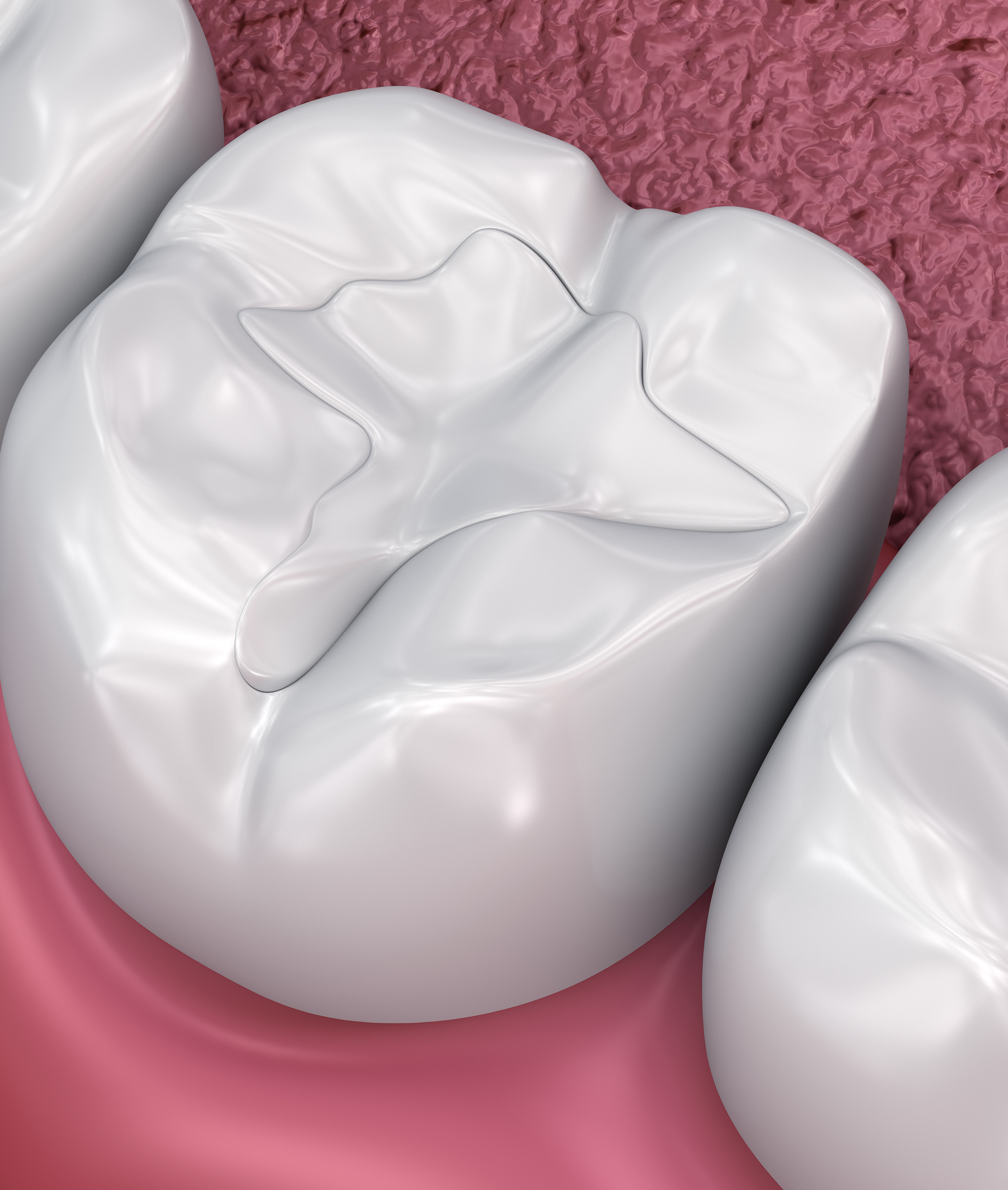
When decay is detected early, dental fillings or dental bonding provide a conservative and effective solution. After removing infected material, composite resin is placed to restore contour and strengthen the chewing surface.
Benefits include:
- Reinforced tooth structure
- Improved appearance of teeth
- Prevention of further decay
- Preservation of natural enamel
Bonding is also a reliable dental procedure for repairing chips or minor fractures without extensive reshaping. Addressing small issues early prevents them from progressing into larger structural concerns.
Crown Protection for Advanced Damage
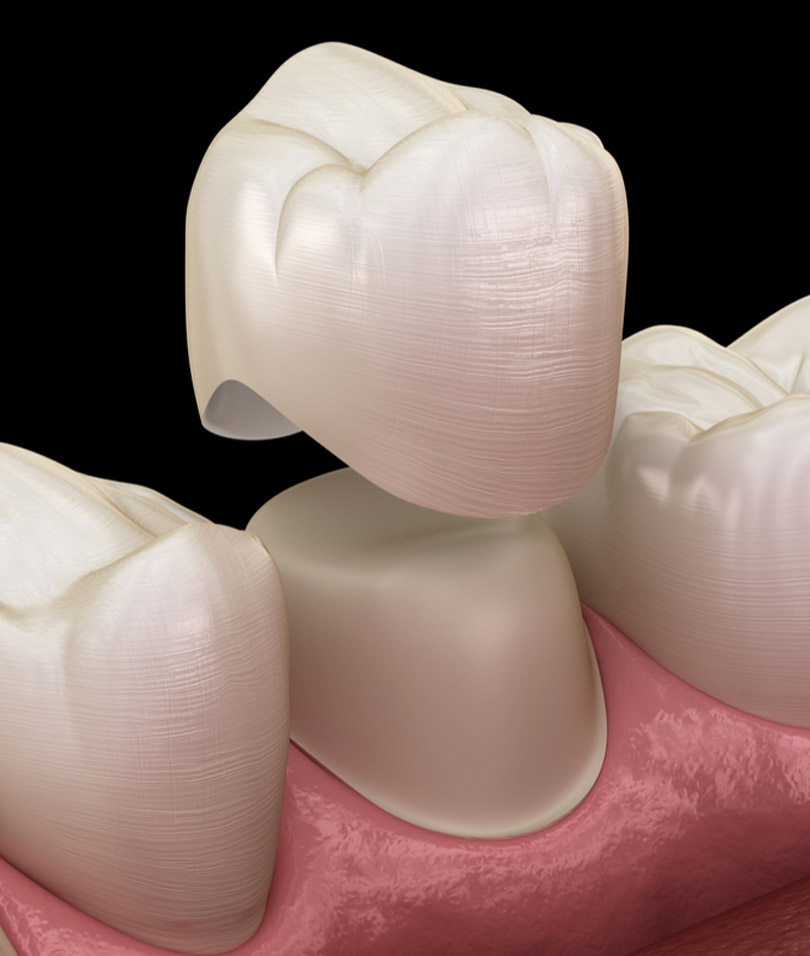
When structural breakdown extends beyond what bonding can repair, a dental crown may be recommended. A crown covers the visible portion of a damaged tooth, restoring strength and protecting it from additional stress.
Crowns are commonly placed after root canal treatment, severe fractures, or extensive decay. A restored tooth protected by a crown is significantly less likely to fracture under normal chewing pressure, making this option a dependable long-term solution.
Bridge or Partial Dentures for Missing Teeth
When one or more teeth are missing, restorative options may include a dental bridge or partial dentures.
A bridge replaces a missing tooth by anchoring an artificial tooth to neighboring support structures. Partial dentures are removable appliances used when multiple teeth require replacement.
These solutions:
- Restore chewing ability
- Improve speech clarity
- Support facial balance
- Reduce the increased risk of shifting
Prompt replacement of missing areas prevents strain on surrounding teeth and protects jaw alignment.
Dental Implant for Long-Term Stability
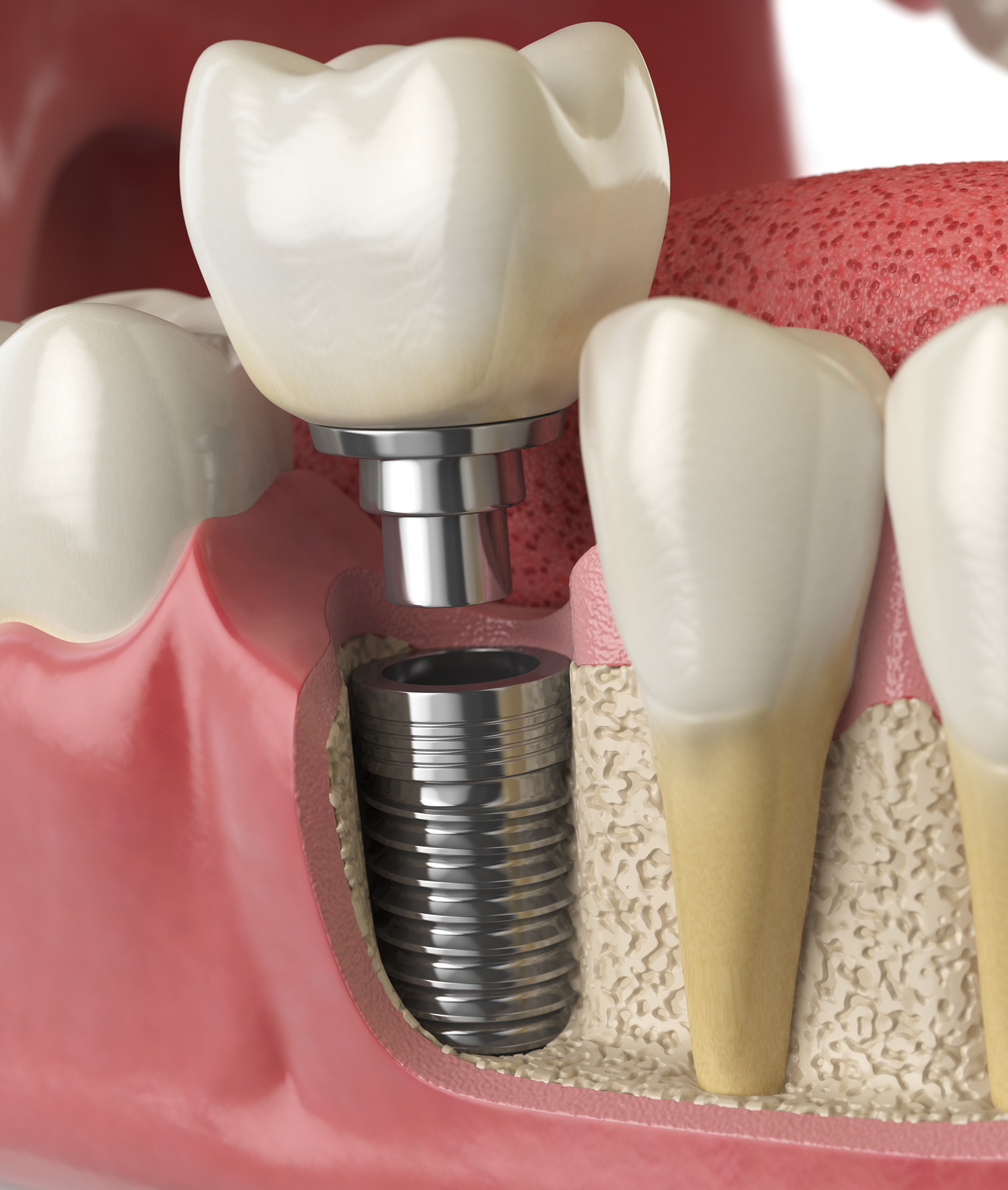
A dental implant replaces a missing tooth using a titanium post that functions as an artificial tooth root. Once integrated with bone, it supports a custom crown that restores stability and appearance.
Implants preserve bone structure, avoid altering neighboring teeth, and provide exceptional durability. Because they replace both root and crown structure, they are one of the most comprehensive restorative options available for long-term success.
You can learn more about dental implants by learning more through the Cleveland Clinic: https://my.clevelandclinic.org
Root Canal Treatment for Infection Relief
When infection spreads to the inner pulp, root canal treatment removes bacteria and seals the canal to prevent recurrence. This restorative dental procedure relieves dental pain while preserving natural structure.
Following treatment, a crown is typically placed to reinforce the restored tooth and prevent fracture. Treating infection promptly prevents further damage and protects surrounding tissues.
Full Mouth Reconstruction for Complex Cases
When multiple areas are compromised, full mouth reconstruction combines restorative procedures into a coordinated treatment plan. This may include crowns, bridges, implants, and bite adjustments.
The goal is to restore balance across the arch, protect overall oral health, and improve chewing efficiency for long-term stability. Comprehensive rehabilitation ensures that every component works together harmoniously.
What Happens During a Dental Exam?
A comprehensive dental exam is the first step in planning treatment. During your visit, we evaluate:
- Signs of decay
- Structural breakdown
- Bone levels
- Gum health
- Overall oral health
Using advanced imaging and the latest technology, we identify appropriate restorative options tailored to your needs. A personalized treatment plan is then developed to ensure predictable, lasting results.
Materials Used for Durable Results
We select materials based on strength, aesthetics, and long-term reliability, including:
- Composite resin
- Porcelain and ceramic
- Zirconia
- Titanium implant posts
Choosing the right type of restoration ensures durability while maintaining a natural appearance. Modern materials are designed to withstand chewing pressure while blending seamlessly with surrounding enamel.
Recovery and Proper Care After Treatment
Healing time varies depending on the procedure performed. Fillings require minimal downtime, while implant placement may require a short healing period.
Proper care includes brushing twice daily, flossing consistently, and attending regular dental visits. These visits help monitor restorations, prevent further decay, and protect long-term dental health. Good oral hygiene plays a significant role in extending the lifespan of any restorative work.
Preventive Care and Long-Term Stability
Preventive dentistry works alongside restorative care to reduce the risk of recurring issues. Routine cleanings, fluoride treatments, and consistent monitoring help maintain stability and protect enamel.
Maintaining good oral hygiene supports both natural teeth and artificial teeth over time, ensuring that restored areas remain strong and functional.
Longevity of Restorations
The lifespan of a restoration depends on:
- Type of treatment
- Bite pressure
- Hygiene habits
- Overall health
Many crowns and bridges last 10–15 years or longer. Implant-supported replacements can last decades when properly maintained. Regular monitoring and early intervention help extend durability and comfort.
Insurance Coverage and Payment Plans
Many treatments qualify for dental insurance coverage when medically necessary. Coverage varies by provider and specific plans.
We verify benefits before beginning treatment and provide clear cost estimates. Flexible payment plans are available through: https://www.synchrony.com
Schedule Restorative Dentistry in Medford, NJ
If you are experiencing decay, structural damage, or tooth loss, restorative dentistry in Medford, NJ can help restore comfort and function.
Contact Stiles Dental Care today to schedule your consultation and explore restorative options designed to protect your overall oral health and improve your daily comfort.
Find us on Google Maps: https://maps.app.goo.gl
Restorative Dentistry FAQs
A dental implant replaces a missing tooth by anchoring directly into the jawbone. A dental bridge relies on neighboring teeth for support. Implants help preserve bone and don’t require altering adjacent teeth. Bridges may be a good option in some cases, and we’ll help you compare benefits during your visit.
Modern dental crowns are designed to blend seamlessly with your natural teeth. We match the shape, size, and color carefully so your restoration looks natural and feels comfortable when you smile or speak.
Saving a natural tooth is often preferred when possible. Treatments like crowns or root canal therapy can restore function and relieve pain. However, if a tooth is severely damaged or infected, extraction may be the healthier choice. We’ll explain your options clearly so you can make an informed decision.
You may need restorative treatment if you’re experiencing tooth pain, difficulty chewing, sensitivity, or have visible damage such as cracks, large fillings, or missing teeth. Even if discomfort is mild, these issues can worsen over time. A dental exam allows us to identify the cause and recommend the right solution.
No. Restorative dentistry focuses on repairing and rebuilding teeth, while cosmetic dentistry improves appearance.
It depends on your situation. Dental implants preserve adjacent teeth, while bridges may be recommended based on your needs.
The lifespan of a dental restoration depends on the type of treatment, the materials used, and how well you care for your oral health. Tooth-colored fillings may last several years, while dental crowns, bridges, and implants can often last 10 years or longer with proper maintenance. Good oral hygiene, regular dental checkups, and avoiding habits such as chewing ice, biting hard objects, or grinding your teeth can help extend the life of your restoration.
Many plans provide partial insurance coverage for medically necessary procedures. Coverage varies by provider.
Have more questions about restorative dentistry? Contact Stiles Dental Care in Medford, NJ, to schedule a consultation and explore treatment options designed to restore comfort, function, and confidence.