
Project Description
Quick, affordable repairs
What is Dental Bonding?
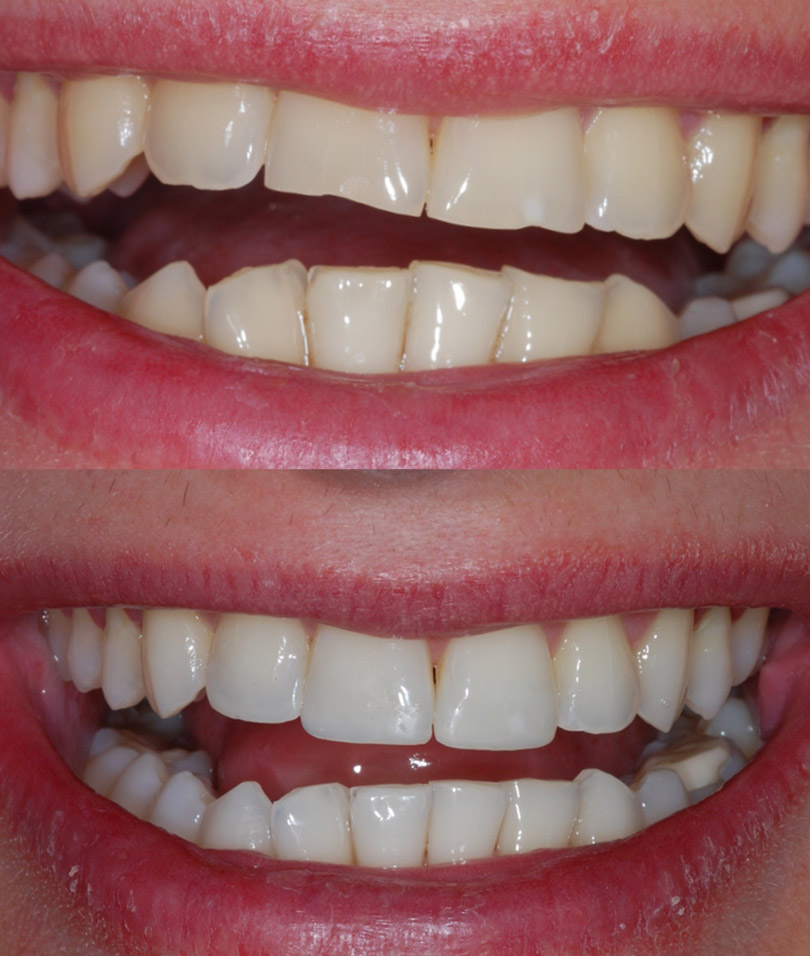
Dental bonding is an affordable and effective dental treatment to address a number of oral health issues, including decayed teeth, a chipped or fractured tooth, or even a discolored tooth. In most cases, bonding can be completed in one visit, making it highly convenient for our busy patients.
When Stiles Dental Care Choose to Use Dental Bonding
Tooth bonding is a simple treatment, and of all dental procedures, it is easily among the most accessible and affordable for our patients. We may elect to use dental bonding to help repair chips in your natural teeth. We could also recommend bonding to cover a discolored tooth — and particularly as an alternative to the discoloration that can occur from a metal amalgam filling. This is especially important in teeth that normally show when smiling. Bonding is also a common solution to fill gaps between teeth without undergoing Invisalign or other orthodontic treatments. We may also use bonding in cases of reshaping teeth or giving you a quick and easy color boost.
No matter what the case will be, we will always involve you in the decision. We want to make sure that you understand all of your options when it comes to your dental treatment plan, and we vow not to make a decision without your express approval. There are pros and cons to nearly every procedure. It just comes down to pinpointing which procedures would improve your smile, health, and quality of life.
What Patients Can Expect When Undergoing This Treatment
Dental bonding is a completely comfortable dental treatment. We will only use anesthesia if the bonding is being used to treat a decayed tooth and the tooth is sensitive. Your comfort is our utmost priority, and we will take care to ensure that you remain happy and relaxed throughout the entire treatment.
There is no special or particular preparation that is required for you to complete ahead of your dental bonding procedure. Once you are in the chair, we will select the shade of composite resin that represents the closest match of your natural tooth color. That way, the bonding treatment will look as natural as possible. Don’t be surprised if some of your loved ones can’t even tell the difference between your dental bonding and the surrounding teeth in your smile.
After we have picked the perfect color for the job, we will gently etch the surface of the tooth that requires the bonding so that the material sticks better. Once your tooth is ready, we will apply a special wash, and then the resin. You can expect a putty-like texture. We will work to shape and smooth it until it is in its proper form on your tooth. Then, we will harden it using a special light.
Once hardened, we will still work to ensure the resin is exactly the right shape to fit in seamlessly with your smile. We will shape the tooth, trim the material, and polish it until you can’t tell the difference between it and its neighbor.
All in all, bonding is a quick and virtually painless procedure. For a single tooth, you can expect an appointment no more than an hour long. For multiple teeth that will undergo dental bonding, additional appointments may be required.
How to Care for Dental Bonding After the Treatment
Though dental bonding is an excellent option for your health, it isn’t a forever fix. The material is not as strong as your natural tooth, meaning that you will have to eventually get it repaired after several years of average use. If you tend to chew on ice chips, bite your nails, or bite on the end of your pen while at work or school, you may require repairs even sooner than normal.
Also, as the resin used in dental bonding tends to stain, we will recommend that you forgo beverages like red wine, coffee, tea, and soda for a short period of time. Afterward, you can indulge in moderation — just like you might with your regular teeth. The most important thing to remember is to regularly brush and floss your teeth, rinsing after meals when you cannot brush immediately.
If you notice any chips, sharp edges, or odd feelings when you bite using your bonded teeth, it’s important to make an appointment to get them checked out. Remember, it is natural and expected for there to be some wear and tear to your bonded teeth, particularly if you love crunchy foods or regularly expect significant and intensive chewing from your teeth.
If you have more questions about dental bonding, we’re happy to get them answered. Give the office a call at 609-654-0033.
Dental Bonding FAQ
Thinking about dental bonding but still have questions? You’re not alone. Bonding is one of the most common ways our dentists help patients repair, refresh, and protect their smiles. Here are some of the questions we hear most often from patients considering the treatment.
You can, but it’s smart to be a little cautious. Biting directly into hard or crunchy foods with your front teeth puts extra pressure on the bonding and can cause chipping. Try cutting apples and similar foods into smaller pieces and chewing with your back teeth when possible.
Yes, it’s possible. Bonding seals the surface of the tooth, but it doesn’t make the tooth immune to decay. Bacteria can still find their way in along the edges of the bonding if oral hygiene slips, so regular brushing, flossing, and dental visits are essential to catching any issues early.
Brush and floss just as you would your natural teeth, and keep up with regular checkups so our dentists can monitor the bonding for wear. Avoid habits like nail-biting or chewing on pens, which can chip the resin over time.
Unfortunately, no. The composite resin used in bonding doesn’t respond to whitening treatments the way natural enamel does. If you’re considering whitening, it’s best to do it before any bonding work so our team can match the resin to your newly whitened shade. If you whiten afterward, the surrounding natural teeth may become noticeably brighter than the bonded one.
Most bonded teeth last anywhere from 3 to 10 years before they need touching up, depending on which teeth were treated and how well they’re cared for. Front teeth used mainly for biting into softer foods tend to hold up longer than teeth exposed to heavier chewing. Our dentists will keep an eye on your bonding at your regular cleanings and let you know if it’s time for a refresh.
Not quite. Both can improve the look of a tooth, but they work differently. Veneers are thin shells custom-made in a lab and bonded over the front of a tooth, while dental bonding uses a composite resin that our dentists shape directly onto your tooth chairside. Bonding is typically less expensive and can often be completed in a single visit, but veneers tend to hold up longer and resist staining better.
Have more questions about dental bonding? Our team at Stiles Dental Care is happy to walk you through your options. Give us a call at 609-654-0033 or schedule an appointment today.
“The quality of knowledge, care and experience you receive from Dr. Stiles and his entire staff is second to none. From the moment you walk into the office till the moment you leave, you are made to feel that you are the most important patient there.”
“I have been going to see Dr. Stiles and his staff since I was a little girl. In all the years that I have been a patient, I have never had a back experience, have always received the best treatment, and am always treated like family.”
“I just had my first dentist app that with Dr. Stiles and his staff. They were very thorough and detailed. They took the time and attention throughout my visit. I would highly recommend for dental care.”