
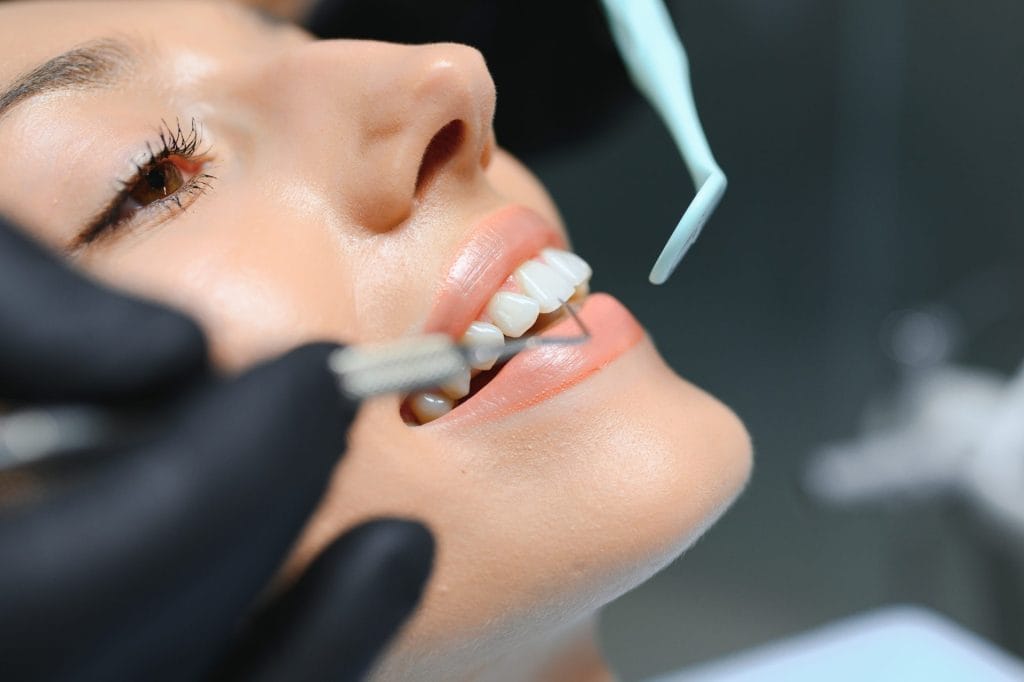
If you keep dealing with food stuck between teeth in the same exact spot, you are not alone. It can happen with a popcorn kernel during movie night, a strand of meat at dinner, or a crunchy snack at work. The pattern is the important part. When food trapping happens in one specific space again and again, it often points to a change in that area of your smile.
At Stiles Dental Care in Medford, NJ, we hear this concern often because it feels minor at first, then quickly turns into daily irritation and discomfort. You might start reaching for toothpicks, rinsing, or even sharp objects to “fix it,” and that can lead to sore gums or swelling. The good idea is to figure out the root causes so you can protect your oral health and feel comfortable when you eat.
Why does food keep getting stuck in the same spot between my teeth?
When the same piece of food keeps wedging into one space, that area usually has a shape that grabs food particles. It can be caused by tiny spaces from shifting teeth, worn enamel, a chipped edge, or dental work that no longer fits the way it used to. A quick dental exam can pinpoint what is creating the food trap.
What food impaction can mean for your oral health
Food impaction is when food debris gets pressed between teeth and stays there. Over time, bacterial buildup feeds on that trapped material. That can lead to plaque, irritation along the gumline, and inflammation that makes flossing feel tender.
You might also notice bad breath that seems to return even after brushing. That can happen because bacteria thrive where a toothbrush cannot reach. Even if you practice good brushing and flossing, tight spaces can still hold onto food trapping when the contact point between teeth has changed.
Common reasons you keep getting a “food trap” in one area
A repeated food trap has a reason, and it is often fixable. Here are several common causes we look for during routine dental checkups.
Changes in tooth shape from wear or small chips
Your tooth enamel can wear down over time, especially on molars that do the heavy chewing. When an edge chips slightly, the teeth may no longer meet with the same smooth contact. That small change can act like a wedge that catches food and holds it in place.
Even a minor change can create a spot where food removal becomes difficult with regular floss. You may feel like you have to pull the floss from a different position just to get it through, which can be a sign that the surfaces are not fitting together smoothly.
Early tooth decay or cavities between teeth
Tooth decay does not always start with visible pain. Cavities can form between teeth and create a rough area that attracts food particles. This is especially common when plaque stays in one location and breaks down enamel over time.
If you keep feeling gum irritation in the same place after meals, it is worth checking for decay. Catching cavities early can sometimes allow for a simpler dental filling and can help you avoid deeper damage.
Worn or broken fillings
Fillings can wear down just like natural tooth structure. A tooth-colored filling that is older, chipped, or slightly open at the edge can create a ledge that traps food debris. You may notice floss shredding or catching on a rough spot, or you might feel a little “step” when you run floss along the side of the tooth.
Even people with great home care can end up with worn fillings over time. Either way, the goal is to restore a smooth surface so food particles slide through instead of getting stuck.
Crown or bridge edges that need attention
Crowns and bridges are designed to protect and restore healthy teeth, and they should feel comfortable when you chew and floss. If a crown margin (the edge where the crown meets the tooth) changes or a contact point opens, food trapping can start happening in that same space.
Dental work can also feel different if neighboring teeth shift slightly over time. A bridge can sometimes create an area underneath that needs special cleaning tools, such as a floss threader, to keep food debris from collecting.
Shifting teeth, braces history, or bite changes
Teeth can move gradually throughout life, even if you had braces years ago. Small movement can create tiny spaces where there used to be a snug contact. If you notice food impaction starting later in life, shifting can be part of the story.
Clear aligners like Invisalign are often used to help guide teeth into a healthier position. At Stiles Dental Care, we also use technology like the iTero scanner to help evaluate your smile with detail and clarity. When alignment improves, it often reduces food trapping and helps you floss more comfortably.
Gum changes, bone loss, and periodontal concerns
Your gum and supporting bone help keep teeth stable. If gum disease develops, the tissues can pull away from the teeth and create spaces that trap food. Bone loss can lead to looser teeth or changing contacts, which increases the chance of food impaction.
You might notice bleeding when flossing, swelling, or a feeling that your gum is tender in one area after meals. Periodontal disease treatment and preventive dental care can help stabilize your oral health and reduce ongoing irritation.
Missing teeth and the way your bite adapts
Missing teeth can shift the way you chew and where food gets pushed. Neighboring teeth may tilt, and that can create awkward gaps and food trapping zones. Over time, this can contribute to oral health problems and wear on the remaining teeth.
In many cases, dental implants or implant restoration can help rebuild a more balanced bite. When the bite is supported again, food tends to stop packing into the same uncomfortable spaces.
Safe ways to remove food debris at home without hurting your gums
If you feel something stuck, it is natural to want to get it out right away. The first thing is to avoid sharp objects, since they can cut your gum or scratch enamel. Toothpicks can also splinter or press food deeper, so use them carefully and gently if you use them at all.
These options are usually safer and more effective:
- Dental floss: Slide it in, hug the tooth in a “C” shape, and move it up and down to lift food particles out. If floss keeps shredding, that is a clue to mention to your dentist.
- Water flosser: A water flosser can flush out food debris, especially around dental work. Use warm water if your gums feel sensitive.
- Interdental brush: This can help in slightly larger spaces. It should fit comfortably without forcing it.
- Rinsing with warm salt water: Warm salt water can soothe sore gums and reduce irritation after food impaction. Swish gently, then spit.
- Gentle brushing: Use a soft toothbrush and brush along the gumline to remove plaque and a waxy coating that bacteria can cling to.
If discomfort persists, or if you cannot remove the trapped piece of food, call for guidance. Emergency dental care is sometimes the right choice when swelling increases quickly or the area becomes very painful.
How we fix the cause of food trapping at Stiles Dental Care
We focus on clear explanations and personalized care, so you feel confident about your next steps. After we examine the area and talk through what you are feeling, we can recommend solutions that fit your smile and goals.
Some common restorative options include:
- Tooth-colored fillings: If decay or a worn filling is creating a catch point, a new filling can restore a smooth surface and help prevent cavities from getting worse.
- Inlays and onlays: These are custom restorations that fit into or onto a tooth when a filling feels too small but a full crown is not needed. They can be a strong, natural-looking way to rebuild chewing surfaces and reduce food trapping.
- Crowns: Crowns can protect a tooth that is cracked, heavily filled, or worn down. A well-shaped crown restores a comfortable contact so floss can pass through without shredding.
Professional cleanings also play an important role. They remove plaque and tartar that can collect in hard-to-reach tight spaces, especially when food impaction is a frequent complaint.
A comfortable next step for a smoother, easier-to-clean smile
If food stuck between teeth keeps happening in the same place, you deserve a clear answer and a solution that helps you enjoy meals again. Our team at Stiles Dental Care will take the time to listen, look closely, and explain what we see in everyday terms. You will always know your options, and you will never feel rushed.
If you are ready to get to the bottom of a stubborn food trap, we invite you to schedule an appointment with us in Medford, NJ. You can call us or reach out through medfordsmiles.com, and we will help you feel right at home while we work toward healthier teeth and a more comfortable smile.
